

Buying property in Phuket is legal for foreigners, but Thai law limits how you can own it. Understanding these rules before you sign anything is the single biggest factor in whether your purchase is secure or a source of years of stress. This guide covers ownership structures, title deeds, taxes, the legal buying process, and the mistakes that cause the most disputes.
Can Foreigners Legally Buy Property in Phuket?
Yes, with conditions. The Thai Land Code Act prevents foreign nationals from owning land directly in their own name. That single rule shapes almost every decision you'll make as a buyer, so it's worth understanding the three routes around it:
- Freehold condominium ownership. Under the Condominium Act B.E. 2522, foreigners can own condo units outright, including the land share beneath the building, as long as foreign ownership across the building stays under 49% of total floor area.
- Leasehold. For villas, houses, and land, foreigners lease the land (typically for 30 years, often with renewal options) while owning the structure itself outright.
- Thai Company Limited. A Thai company can hold land where a foreign individual can't. This is legal when structured properly, but it's also the most misused route in Phuket property sales. More on that below.
There's no visa or residency requirement to buy property here. Ownership and immigration status are handled separately under Thai law.
Freehold vs. Leasehold: Which One Actually Fits Your Purchase
| Freehold | Leasehold | |
|---|---|---|
| Applies to | Condominium units only | Villas, houses, land |
| Ownership term | Permanent | Typically 30 years, renewable by agreement |
| Title registered as | Owner's name at the Land Department | Registered lease against the title |
| Transfer tax/fees | Roughly 6.3% to 6.8% of appraised value | Roughly 1.1% of appraised value |
| Resale flexibility | Higher; can sell to any eligible buyer | Depends on remaining lease term and renewal terms |
| Best suited for | Buyers who want condo-only, straightforward title | Buyers wanting a villa or land-based home |
Renewal terms on a leasehold are a contract matter, not a guarantee under Thai law. A lease extension beyond the original registered term relies on the landowner honoring the agreement, so the wording of that clause deserves as much legal attention as the price.
Title Deeds: Why the Type of Deed Matters More Than the Property
Not all Thai land titles carry the same legal weight, and this is where many foreign buyers get caught out.
- Chanote (Nor Sor 4 Jor): The strongest title available. Land is fully surveyed, boundaries are GPS-marked, and the title is registered with the Land Department. This is what you want to see on any land or villa purchase.
- Nor Sor 3 Gor: A step below Chanote. Boundaries are surveyed but the parcel isn't fully mapped into the national grid. Usable, but confirm boundary accuracy before buying.
- Nor Sor 3 and lower-grade titles: Weaker documentation, unsurveyed boundaries, higher dispute risk. A property lawyer should flag these immediately during due diligence.
Ask for the deed type in writing before you pay a deposit. It's a five-minute check that prevents months of legal cleanup later.
The Thai Company Limited Route: What to Know Before Using It
Some sellers still push foreign buyers toward setting up a Thai Company Limited to hold land "in the company's name." This is legal only when the company is a genuine operating business with real Thai shareholders holding real economic interest, not nominee shareholders installed purely to get around foreign ownership limits. The Foreign Business Act and Land Code both treat nominee arrangements as a legal risk, and the Land Department has tightened scrutiny of company-held land in tourist areas including Phuket. If a company structure is proposed, have an independent lawyer (not one recommended by the seller) confirm the shareholding is legitimate before you proceed.
Please bear in mind that there are some fundamental differences between condominium and villa ownership in Thailand.
Step-by-Step: The Legal Buying Process in Phuket
- Reserve the property with a reservation agreement and deposit (typically refundable if due diligence fails).
- Conduct due diligence on title, seller ownership, zoning, and any existing debts or liens against the land.
- Review and negotiate the sale and purchase agreement, ideally with a lawyer who doesn't work for the seller or developer.
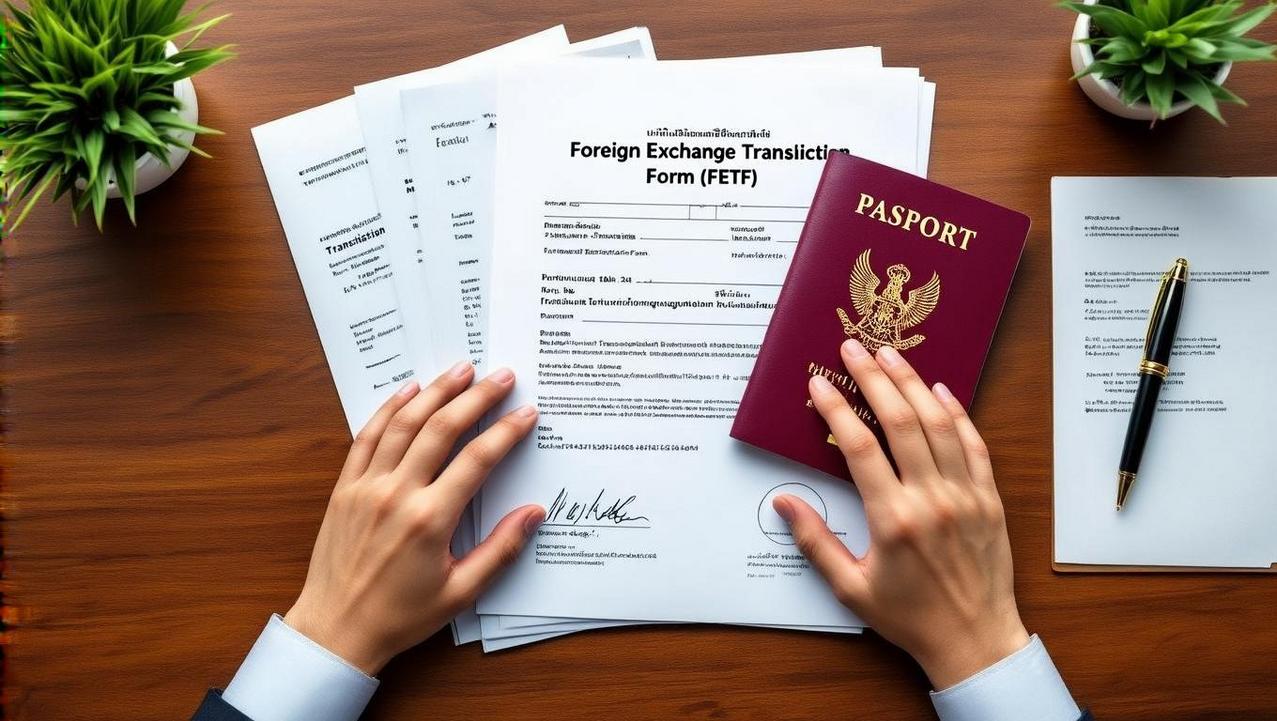
- Transfer funds internationally in foreign currency and obtain a Foreign Exchange Transaction (FET) form from your Thai bank, which is required to later repatriate sale proceeds if you sell.
- Complete the transfer at the Land Department, where taxes and fees are paid and the title is registered in your name (freehold) or the lease is registered against the title (leasehold).
- Keep certified copies of the title deed, transfer documents, and tax receipts. You'll need them for resale, inheritance, or visa-related asset checks.
Property Taxes and Transfer Costs in Phuket
| Cost | Rate | Who Typically Pays |
|---|---|---|
| Transfer fee | 2% of appraised value | Often split buyer/seller by agreement |
| Specific Business Tax (SBT) | 3.3% (if seller owned under 5 years) | Seller, though sometimes negotiated |
| Stamp duty | 0.5% (applies instead of SBT if exempt) | Seller |
| Withholding tax | Approx. 1%, calculated on a sliding scale for individuals | Seller |
| Leasehold registration fee | Approx. 1.1% of total lease value | Negotiable |
These rates shift periodically, so confirm current figures with the Land Department or your lawyer before budgeting.
Due Diligence Checklist Before You Sign Anything
- Confirm the title deed type and verify it matches the physical land boundaries
- Check for existing mortgages, liens, or court disputes registered against the title
- Verify the seller's legal right to sell (individual owner, company, or estate)
- Confirm foreign ownership quota isn't already exceeded (for condos)
- Review the building's juristic person records for unpaid common fees or sinking fund shortfalls
- For off-plan purchases, check the developer's construction license and track record on prior projects
- Confirm zoning and any building restrictions, particularly near coastal and hillside areas
Why a Property Lawyer Earns Their Fee
A lawyer who isn't paid by the seller or developer typically handles:
- Due diligence on title, ownership, and outstanding debts
- Contract review, including lease renewal clauses and penalty terms
- Escrow coordination, so funds release only when agreed conditions are met
- Legal advice on the ownership structure that fits your situation
- Land Office transfer support, making sure documentation and tax payments are handled correctly
The cost of independent legal advice is small next to the cost of untangling a bad title after the fact.
Contact us for more information or if you have any further questions.
Inheritance and Estate Planning for Foreign Property Owners
This is a gap most buyers only think about after they've already purchased. Freehold condos can generally be passed to heirs, but a foreign heir inheriting a unit still has to meet the same ownership conditions as a buyer, including the building's foreign quota. Leasehold interests don't automatically transfer to heirs unless the lease agreement explicitly provides for it. If you want your property to pass smoothly to family, this needs to be addressed in a Thai will and, where relevant, in the lease contract itself, not left to default inheritance law.
Common Legal Mistakes Foreign Buyers Make in Phuket
- Relying on the seller's or developer's in-house lawyer instead of independent counsel
- Skipping title verification because the property "looks fine"
- Signing a company structure without confirming genuine Thai shareholding
- Assuming a leasehold renewal is guaranteed rather than contractual
- Wiring funds without obtaining the FET form needed for future repatriation
- Not budgeting for transfer taxes and common area fees before agreeing on a price
Frequently Asked Questions
Is it legal for foreigners to buy property in Phuket?
Yes. Foreigners can legally own freehold condominiums outright and can own the structure of a villa or house through a registered leasehold on the land.
Can a foreigner own land in Phuket?
Not directly. Land ownership is restricted to Thai nationals and Thai-registered companies. Foreigners typically access land through a long-term lease instead.
What is the safest title deed to buy in Phuket?
Chanote (Nor Sor 4 Jor) is the strongest and safest title, with fully surveyed and legally confirmed boundaries.
Do I need a Thai company to buy a villa?
No. Most foreign buyers use a registered leasehold structure instead. A Thai company is only appropriate with genuine Thai shareholders and real business substance, not as a workaround.
Can I get a mortgage in Thailand as a foreigner?
It's difficult through Thai banks, which rarely lend to non-residents. Most foreign buyers pay in cash or arrange financing in their home country.
How much are the total transfer costs when buying property in Phuket?
Budget roughly 6% to 7% of the property value for freehold purchases once transfer fee, tax, and stamp duty are combined, or around 1% to 2% for leasehold transactions.