

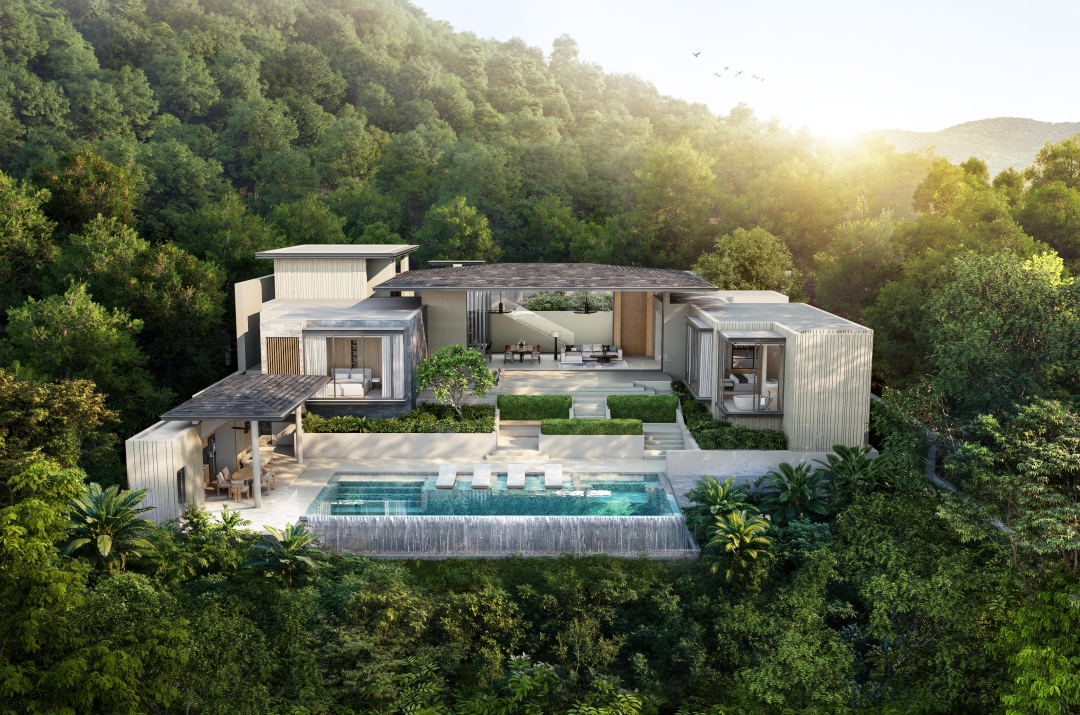
Buying a Villa in Phuket: 7 Things to Know Before You Buy
Learn the 7 essentials: ownership rules for foreigners, best areas, real costs, developer checks and rental returns.
Buying a villa in Phuket can give you a home in the tropics, a steady rental income, or both. It can also go wrong fast if you skip the basics. Foreigners face different ownership rules, prices vary widely by area, and not every developer delivers what the brochure promises.
This guide covers the seven things that matter most before you sign anything. It's based on what we see every week helping buyers at Storm Phuket.
Quick answer: Foreigners cannot own land in Thailand in their own name, but they can still buy a villa safely through a leasehold, a properly structured Thai company, or by owning the building itself. Choose the structure first, then the location, then the developer.
1. Understand How Foreigners Can Own a Villa in Phuket
This is the first question most overseas buyers ask, and the one where mistakes cost the most.
Under Thai law, foreigners cannot hold land title directly. In practice, buyers use one of these routes:
- Leasehold: A registered lease, typically 30 years. Many contracts include renewal options, but check how they are worded and registered.
- Thai company: A company holds the land and you hold the shares. It must be run as a real business, and structures that use nominee shareholders purely as a front carry legal risk.
- Building ownership: You can own the villa structure while the land is leased.
- Condominiums: Foreigners can hold freehold in a condo, within the 49% foreign quota per project. This applies to condos, not villas.
Rules and interpretations change, so have an independent Thai property lawyer review your structure before you pay a deposit. Our Phuket Property Due Diligence Checklist shows what to ask for.
2. Decide Whether an Off-Plan Villa Suits You
Off-plan villas are sold before or during construction. They usually cost less than finished homes, and buyers often pay in stages.
The upside is potential capital growth between purchase and completion. The risk is that the project is delayed, changed or never finished. Reduce the risk by checking:
- The developer's track record and completed projects. Visit them.
- Whether the land title is clean and the building permits are approved.
- How your payments are protected and tied to construction milestones.
- What the contract says about delays, penalties and specifications.
Be cautious about any promised return figure that isn't backed by a source and a timeframe. Ask developers for evidence, such as past resale prices of completed units.
3. Choose Your Location by Your Goal
Location drives price, rental demand and resale. The right area depends on why you are buying.
- Lifestyle buyers often prefer quieter areas near beaches, schools and healthcare.
- Rental investors should look at areas with year-round tourism, good road access and strong occupancy.
- Growth-focused buyers can look at emerging areas where restaurants, shops and infrastructure are still developing.
Two areas worth studying are Cherngtalay and Bangtao, where commercial development and demand from international buyers keep growing. Read our Cherngtalay neighborhood guide and Bangtao neighborhood guide for prices, amenities and what to expect.
Visit at different times of day and in different seasons. Check the access road, drainage after rain and how much noise you hear from neighboring construction.
4. Pay Attention to the View and the Layout
Views affect both your daily enjoyment and the resale price. Sea, jungle, lake and golf course views all attract buyers, but a view only helps if it is protected. Look at what can be built in front of the villa in the future.
Also check:
- Orientation, for sun and breeze
- Privacy from neighboring villas
- Pool size and location
- Number of bedrooms with en-suite bathrooms, which matters most for rentals
5. Budget for the Full Cost, Not Just the Price
The asking price is only part of the total. Plan for:
- Transfer costs: Transfer fees and taxes are set by the Land Department and Revenue Department, and the seller and buyer often negotiate who pays what. Confirm the current rates with your lawyer.
- Legal fees for due diligence and contract review
- Furniture and setup if the villa is sold unfurnished
- Ongoing costs: management or common area fees, maintenance, pool care, garden, utilities and insurance
If you plan to rent out the villa, subtract property management fees and platform commissions before estimating your return.
6. Check the Developer and the Estate Management
A great villa in a poorly managed estate loses value. Before you buy, look at:
- Developer history: completed projects, build quality and how they handled problems
- Estate management: who maintains roads, security, landscaping and shared facilities, and how the fees are set
- Resident mix: the balance of owners and short-term renters
- Warranty and after-sales service: what is covered, for how long, and who to call
Developer investment patterns are also a useful signal. When established developers keep launching projects in an area, it usually means they see lasting demand there.
7. Complete Legal Due Diligence Before You Pay
Never transfer money on a verbal promise. Your lawyer should verify:
- The title deed type and that the seller has the right to sell
- No liens, mortgages or disputes on the land
- Building permits and approved plans
- The lease or company structure, and that it matches Thai law
- The sale contract, payment schedule and handover terms
Use our full Phuket Property Due Diligence Checklist and ask your lawyer to work through each item.
Frequently Asked Questions
Can foreigners buy a villa in Phuket?
Yes. Foreigners cannot own land directly, but they can buy a villa through a leasehold, a Thai company structure, or by owning the building on leased land. Get independent legal advice on the structure.
Is an off-plan villa in Phuket a good investment?
It can be, if the developer is reputable, the title is clean and payments are tied to construction progress. Off-plan carries more risk than a finished villa, so check the developer's completed projects first.
Which areas are best for buying a villa in Phuket?
It depends on your goal. Cherngtalay and Bangtao are popular with buyers looking for growth and rental demand. Compare areas by access, amenities, rental occupancy and price per square meter.
What extra costs should I expect?
Budget for transfer fees and taxes, legal fees, furnishing, and annual costs such as maintenance, management fees and insurance.
How long does it take to buy a villa in Phuket?
A completed villa can transfer in a few weeks once due diligence is done. Off-plan purchases run until construction is completed, often 12 to 24 months.