

What Is a Sinking Fund in Thailand? A Phuket Buyer's Guide
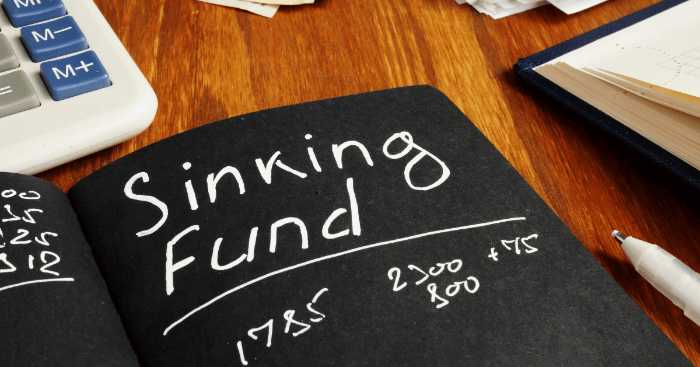
A sinking fund in Thailand is a one-time reserve payment that buyers make when they take ownership of a new condo or villa. The money is held by the building's juristic person or management company and is used only for major repairs and replacements, such as roofs, lifts, pool resurfacing and exterior repainting. In Phuket, expect to pay roughly 500 to 1,000 THB per square metre, collected once at the transfer at the Land Office.
Key Takeaways
- One-off, not monthly. You normally pay the sinking fund once, when you buy from the developer.
- Priced per square metre. Condos use the unit's area. Villas are often calculated on the land plot.
- Different from the CAM fee. The common area fee pays for daily running costs. The sinking fund is for big, rare jobs.
- Not refundable. It stays with the building when you sell.
- Resale buyers usually skip it, but they can be asked to contribute if owners vote for a top-up.
What Is a Sinking Fund?
A sinking fund is a pool of money collected from every owner in a condominium, villa estate or housing project. Its purpose is to pay for large, infrequent expenses that the regular monthly budget cannot cover.
Typical sinking fund expenses include:
- Replacing or overhauling lifts
- Repainting the building exterior
- Roof and waterproofing repairs
- Resurfacing or retiling the swimming pool
- Replacing pumps, generators or water tanks
- Rebuilding pathways, roads and drainage
- Repairs after storm or flood damage
For registered condominiums, the fund is held by the juristic person, the legal body that represents all co-owners under Thailand's Condominium Act. In villa projects, it is usually held by the property management company, or by the developer when the developer manages the project in-house.
Sinking Fund vs Common Area Fee (CAM Fee)
Buyers often confuse the two, but they do very different jobs.
| Sinking Fund | Common Area Fee (CAM Fee) | |
|---|---|---|
| How often | Once, at purchase | Monthly or yearly |
| How it's priced | THB per sqm, one-off | THB per sqm, recurring |
| What it pays for | Major repairs, replacements, emergencies | Security, cleaning, gardening, pool care, staff salaries, shared utilities |
| Typical Phuket rate | 500 to 1,000 THB per sqm | 30 to 80 THB per sqm per month |
| Refundable? | No | No |
Think of the CAM fee as the building's running budget and the sinking fund as its savings account. A project with healthy monthly fees but an empty sinking fund will struggle the first time a lift or roof fails.
Planning your budget? The sinking fund is one of several transfer costs. See our guide on buying a villa in Phuket for the full list of fees, or book a free consultation and we'll price a specific project for you.
How Much Is the Sinking Fund in Phuket?
Rates vary by project, developer and property type. Luxury developments with more facilities usually charge more because they have more to maintain.
For condos, the fee is based on the unit's registered area.
| Unit Size | At 500 THB/sqm | At 1,000 THB/sqm |
|---|---|---|
| 30 sqm studio | 15,000 THB | 30,000 THB |
| 50 sqm one-bedroom | 25,000 THB | 50,000 THB |
| 80 sqm two-bedroom | 40,000 THB | 80,000 THB |
For villas, the sinking fund is often calculated on the land plot rather than the built-up area. A pool villa on a 350 sqm plot at 300 to 800 THB per sqm would mean a one-off payment of roughly 105,000 to 280,000 THB.
Always ask the developer for the exact rate in writing. It should appear in the reservation agreement or the sale and purchase agreement.
When and How Do You Pay It?
In most new projects, the sinking fund is paid on the day of transfer at the Land Office, together with the first year of CAM fees. The developer or management company will issue a receipt showing the amount.
Some developers include the sinking fund in the purchase price. Others list it separately. Check the contract so you are not surprised on transfer day.
Do You Pay a Sinking Fund When Buying a Resale Property?
Usually not. The first owner already paid it when they bought from the developer, and the money stays with the building.
There are two exceptions to watch for:
- A top-up has been approved. If the fund is running low, owners can vote at a general meeting to collect more. If a top-up is in progress when you buy, you may need to pay your share.
- The seller has unpaid fees. In a registered condominium, the Land Office will not transfer a unit without a debt-free letter from the juristic person. Make sure the seller clears all outstanding fees before transfer, not you.
Can the Sinking Fund Be Increased?
Yes, but not by the management company alone. For registered condominiums, changes to fees are decided by the co-owners at a general meeting, following the voting rules in the building's regulations and the Condominium Act. Villa estates follow their own project rules or estate regulations.
This is why reading the annual financial statements before you buy matters. A building with a low reserve and ageing facilities is a sign that a top-up may be coming.
Is the Sinking Fund Refundable When You Sell?
No. Once paid, the sinking fund belongs to the building, not to you. When you sell, the money stays with the property and the new owner benefits from it.
You do have the right to ask how it is being used. As an owner, you can request the financial statements and attend the annual general meeting to see what has been spent and what remains.
Why the Sinking Fund Matters for Your Property's Value
A well-funded, well-managed sinking fund keeps a project looking and working like new. In Phuket, we also see the opposite: well-built condos and villa estates that look ten years older than they are because repairs were never funded. Broken pool tiles, tired lifts and stained exteriors all push resale prices down, and none of it is the individual owner's fault.
Before you buy, check:
- Who manages the fund, and whether it is a reputable management company.
- How much is left, from the latest audited accounts.
- What has been spent recently, and on what.
- Whether any big repairs are planned in the next few years.
- The age of key systems, such as lifts, roofs and pool equipment.
Our team reviews these points as part of every buyer's due diligence. Talk to a Storm Phuket advisor before you commit to a project.
Frequently Asked Questions
What is a sinking fund in a Thai condo?
It is a one-time reserve contribution paid by each unit owner, usually at transfer, and held by the condominium's juristic person to pay for major repairs and replacements.
How much is the sinking fund in Phuket?
Most new Phuket projects charge around 500 to 1,000 THB per square metre, paid once. A 50 sqm condo would typically cost 25,000 to 50,000 THB.
Is the sinking fund paid every month?
No. The sinking fund is normally a one-off payment. The monthly or yearly charge is the common area fee (CAM fee), which is separate.
Do I pay a sinking fund when buying a resale condo?
Usually not, because the original buyer paid it. You may need to contribute if owners have voted for a top-up.
Is the sinking fund refundable?
No. It stays with the building when you sell, and the next owner benefits from it.
How can I check a condo's sinking fund balance?
Ask the juristic person or management company for the latest audited financial statements and the minutes of the most recent annual general meeting.